Ramadan Mubarak & Kareem: Unveiling the Meanings, Usage & Pronunciation of Holy Month Greetings
As the sacred month of Ramadan approaches, a common and heartfelt question arises, particularly for non-Muslims, colleagues, and friends seeking to offer respectful greetings: How to Say Happy Ramadan? While a simple "Happy Ramadan" is perfectly acceptable and appreciated, the rich traditions of Islamic cultures offer more profound and spiritually resonant phrases. The two most widely recognized and cherished expressions are "Ramadan Mubarak" and "Ramadan Kareem." These Arabic phrases are more than just greetings; they are expressions of blessings, goodwill, and recognition of the immense spiritual significance of a month dedicated to fasting, prayer, reflection, and generosity.
This comprehensive guide delves into the meanings, proper usage, and pronunciation of these essential Ramadan greetings, alongside their Turkish equivalents. By understanding the nuances, you can connect more meaningfully with Muslim friends, colleagues, and neighbors during this blessed time. We'll explore why these phrases are used, when to utter them, and how to respond politely, ensuring your well-wishes are both sincere and culturally appropriate.
The Essence of Ramadan Greetings: More Than Just "Happy Ramadan"
The desire to learn how to say Happy Ramadan stems from a beautiful impulse: to show respect and solidarity during a holy period. And yes, saying "Happy Ramadan" is entirely appropriate. Islam encourages kindness and goodwill, and offering warm greetings at the beginning of Ramadan is a wonderful way to acknowledge the sacredness of the month and express your support.
However, in many Arabic-speaking Muslim communities, traditional greetings are preferred, conveying a deeper spiritual sentiment than a direct translation of "happy." These phrases invoke divine blessings and highlight the inherent virtues of Ramadan. They are not merely pleasantries but prayers and good wishes extended from one person to another, reflecting the collective joy and spiritual anticipation of the community.
Unpacking "Ramadan Mubarak": Blessings and Spiritual Growth
"Ramadan Mubarak" is arguably the most universal and commonly used greeting during the holy month. It encapsulates the core wish for divine blessings upon the fasting and worship of others.
Meaning & Pronunciation of Ramadan Mubarak
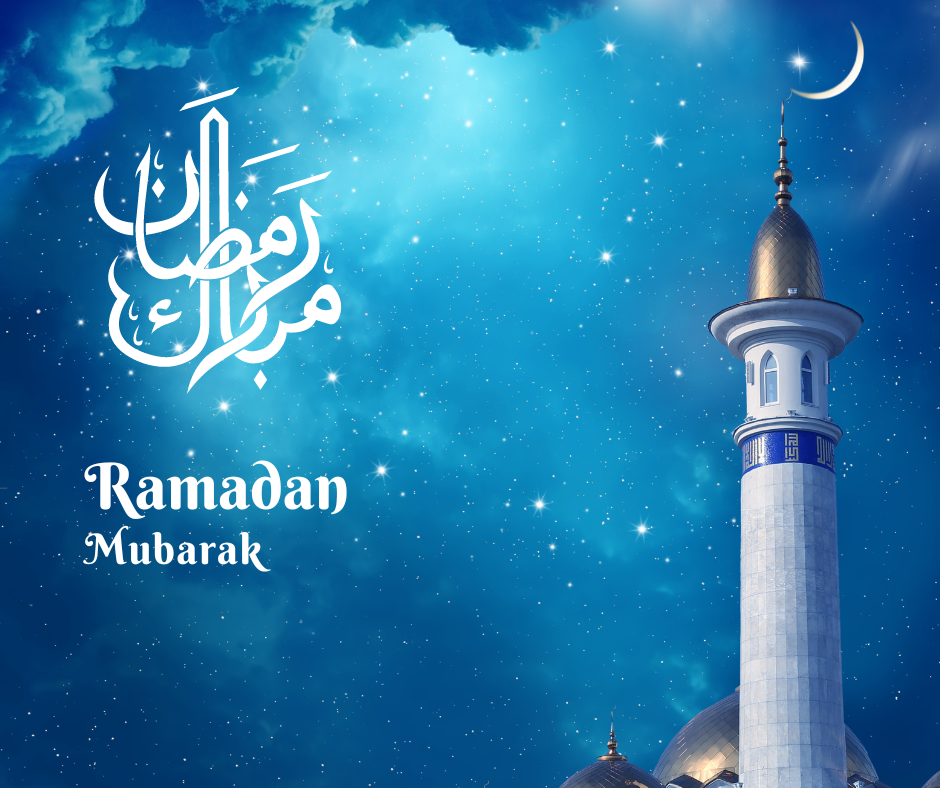
The phrase "Ramadan Mubarak" (رمضان مبارك) directly translates to "Blessed Ramadan." The key to understanding its depth lies in the word Mubarak (مبارك). This word originates from the Arabic root barakah, which signifies blessing, spiritual increase, divine goodness, and abundance. When you say "Ramadan Mubarak," you are essentially praying that Allah (God) bestows barakah upon an individual's fasting, prayers, charitable acts, and all forms of worship throughout the entire month. It's a wish for spiritual prosperity and divine favour.
Pronunciation: Rah-mah-dahn Moo-bah-rak
- Ramadan: The 'R' is slightly rolled, and the 'a' sounds like the 'a' in 'father'.
- Mubarak: The 'oo' is like in 'moon', and the 'a's are short, like in 'car'. The emphasis is usually on the second syllable, "bah."
When and How to Use Ramadan Mubarak
"Ramadan Mubarak" is incredibly versatile and can be used in almost any context during the holy month:
- Beginning of Ramadan: It's commonly exchanged on the first night of Ramadan, immediately after the sighting of the new moon, marking the official start of the fasting period.
- Throughout the Month: You can use it as a general greeting when meeting Muslim friends, family, or colleagues anytime during Ramadan.
- Various Platforms: Whether in person, through text messages, emails, or social media posts, "Ramadan Mubarak" is always an appropriate and warm greeting.
Among Islamic scholars and communities globally, "Ramadan Mubarak" is often considered the safest and most universally preferred greeting due to its direct invocation of blessings, a sentiment that resonates deeply with the spiritual goals of the month. It fosters a sense of unity and shared spiritual journey, strengthening communal bonds.
Understanding "Ramadan Kareem": Generosity and Divine Mercy
Another widely recognized and beloved greeting is "Ramadan Kareem," which highlights a different, yet equally central, aspect of the holy month.
Meaning & Pronunciation of Ramadan Kareem
"Ramadan Kareem" (رمضان كريم) translates to "Generous Ramadan." The word Kareem (كريم) means generous, noble, bountiful, or benevolent. This phrase reflects the profound belief that Ramadan is a month overflowing with the boundless generosity of Allah. This generosity manifests in many ways: multiplied rewards for good deeds, abundant forgiveness for sins, and immense mercy bestowed upon believers. When you say "Ramadan Kareem," you're acknowledging and wishing for the recipient to experience this divine generosity.
Pronunciation: Rah-mah-dahn Kah-reem
- Ramadan: Same as above.
- Kareem: The 'a' is short, like in 'cat', and the 'ee' is like in 'feel'. The emphasis is on the second syllable, "reem."
The Subtle Difference: Mubarak vs. Kareem
While both "Ramadan Mubarak" and "Ramadan Kareem" are beautiful expressions of goodwill, there's a subtle distinction in their emphasis:
- Ramadan Mubarak: Focuses on the idea of receiving blessings from God for one's actions during the month. It's a wish for an individual's Ramadan to be filled with blessings.
- Ramadan Kareem: Emphasizes the intrinsic generosity and bountifulness of the month itself, and by extension, Allah's generosity to His creation during this period. It's a wish that one experiences the generosity of Ramadan.
Both greetings are widely accepted and convey profound good wishes. Some theological discussions have explored which phrase might be "more correct" or traditional, with some scholars leaning towards "Ramadan Mubarak" because it directly attributes blessings to Allah, rather than the month itself (which is merely a vessel for blessings). However, in practical usage, both are well-received and appreciated expressions of goodwill. The key is the sincere intention behind the greeting.
Beyond Arabic: "Hayırlı Ramazanlar" in Turkish and Global Greetings
While Arabic greetings hold a special place, it's important to recognize that the Muslim world is incredibly diverse, with unique cultural expressions of faith and celebration.
Turkish Greetings: Hayırlı Ramazanlar
In Turkey and among Turkish-speaking communities worldwide, the traditional greeting during Ramadan is "Hayırlı Ramazanlar." This phrase beautifully captures the spirit of the month in Turkish culture.
Meaning: "Hayırlı Ramazanlar" can be translated as "Blessed Ramadans" or "May you have a good and virtuous Ramadan."
- Hayırlı: This word means beneficial, blessed, good, or virtuous. It carries the sense of wishing someone something that is spiritually rewarding and leads to positive outcomes.
- Ramazanlar: This is the plural form of Ramadan in Turkish, used to convey a comprehensive well-wish for the entire blessed month.
Pronunciation: Hah-yur-luh Rah-mah-zahn-lar
Using "Hayırlı Ramazanlar" is a wonderful way to show respect and cultural awareness when greeting Turkish friends or colleagues during Ramadan.
The Universality of "Happy Ramadan"
For those who may find Arabic or Turkish pronunciations challenging, or when interacting in a predominantly non-Muslim context, reiterating that "Happy Ramadan" is entirely acceptable bears repeating. It serves as a universally understood expression of goodwill and recognition of the holy month. The most important aspect is the sincerity and respect conveyed by your greeting. When in doubt, "Ramadan Mubarak" or "Happy Ramadan" are always safe and cherished choices. For a more comprehensive look at greetings across different languages and contexts, you might find Your Guide to Ramadan Greetings: Arabic, Turkish & English particularly helpful.
Practical Etiquette and Responding to Ramadan Greetings
Knowing when and how to use these greetings, and how to respond, enhances your communication and shows genuine respect.
When to Use These Greetings
These greetings are appropriate from the very first sighting of the new moon that marks the beginning of Ramadan, and can be used throughout the entire month. It's crucial, however, not to confuse Ramadan greetings with Eid al-Fitr greetings. Eid al-Fitr marks the joyous celebration at the end of Ramadan, and different greetings, such as "Eid Mubarak" (Blessed Eid), are used then.
So, from the dawn of the first fast until the final sunset of Ramadan, any of the aforementioned greetings are timely and appreciated.
How to Respond Politely
When someone offers you a Ramadan greeting, a polite response shows your appreciation. Here are some common ways to reply:
- To "Ramadan Mubarak": A common and beautiful response is "Khair Mubarak" (خير مبارك), which means "May goodness be blessed upon you too" or "Blessed goodness to you." Alternatively, a simple "Thank you" or "Jazakallah Khair" (جزاك الله خيرًا - May Allah reward you with goodness) is always appropriate.
- To "Ramadan Kareem": A traditional response is "Allah Akram" (الله أكرم), meaning "Allah is more generous" or "God is most generous." This acknowledges the divine generosity mentioned in the greeting. Again, "Thank you" or "Jazakallah Khair" are also perfectly fine.
- To "Hayırlı Ramazanlar": You can simply respond with "Teşekkür ederim" (thank you) or reciprocate with "Size de Hayırlı Ramazanlar" (Hayırlı Ramazanlar to you too).
- To "Happy Ramadan": A simple "Thank you, you too!" or "Happy Ramadan to you too!" works perfectly.
Understanding these responses further enhances your cultural fluency and demonstrates genuine engagement. For more insights on respectful communication during the holy month, consider reading Saying Happy Ramadan: Etiquette for Traditional Greetings.
Conclusion
The phrases "Ramadan Mubarak" and "Ramadan Kareem" are far more than mere words; they are an invitation to share in the spiritual joy and blessings of the holy month. By understanding their meanings, mastering their pronunciation, and using them appropriately, you not only offer a respectful greeting but also deepen your connection with Muslim friends, colleagues, and neighbors. Whether you choose the universal "Happy Ramadan," the blessing-filled "Ramadan Mubarak," the generosity-focused "Ramadan Kareem," or the culturally rich "Hayırlı Ramazanlar," your sincere effort to acknowledge and celebrate this sacred time will undoubtedly be cherished. May your interactions during this special month be filled with understanding, respect, and shared goodwill.