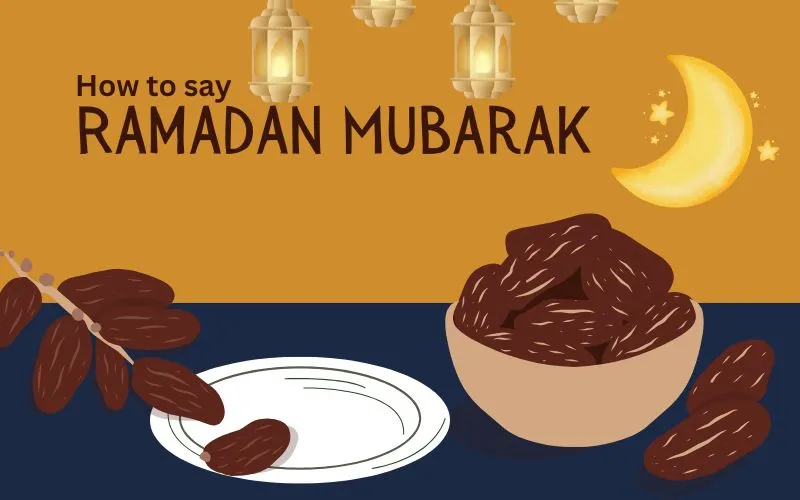
Your Guide to Ramadan Greetings: Arabic, Turkish & English
As the blessed month of Ramadan approaches, a common question arises for many, especially non-Muslims, colleagues, and friends eager to show respect and goodwill:
How To Say Happy Ramadan? This holy month is a time of profound spiritual reflection, fasting, prayer, and generosity for Muslims worldwide. Offering thoughtful greetings not only acknowledges this significant period but also fosters understanding and strengthens bonds.
While a simple "Happy Ramadan" is perfectly acceptable and appreciated, diving into traditional Arabic and Turkish greetings can add a layer of cultural sensitivity and depth to your well-wishes. These phrases carry rich meanings of blessing, generosity, and spiritual goodness, reflecting the core values of Ramadan itself. This comprehensive guide will equip you with the knowledge to greet your Muslim friends, neighbors, and colleagues appropriately, covering the meanings, pronunciations, and proper usage of key phrases in Arabic, Turkish, and English, along with practical etiquette tips.
The Spirit of Ramadan Greetings: More Than Just Words
Ramadan is the ninth and holiest month of the Islamic calendar, a period when Muslims abstain from food and drink from dawn until sunset, focusing intensely on worship, charity, and personal growth. It's a time for strengthening one's connection with Allah, practicing self-discipline, and reflecting on the blessings received. Against this backdrop, greetings during Ramadan are not merely polite formalities; they are sincere expressions of shared joy, prayers for spiritual benefit, and recognition of the month's sanctity.
When someone offers a Ramadan greeting, they are often wishing for divine blessings (
barakah) to envelop the recipient's fasting, prayers, charitable acts, and overall spiritual endeavors. They acknowledge the challenges and rewards of the month, extending support and solidarity. This deeper spiritual context is why traditional greetings, particularly in Arabic, are so cherished and widely used, as they beautifully encapsulate the essence of Ramadan.
Mastering Arabic Ramadan Greetings
In Arabic-speaking communities, and indeed among Muslims globally, specific phrases are traditionally preferred over a direct translation of "Happy Ramadan." These greetings convey a deeper spiritual sentiment that resonates with the month's purpose. The two most widely recognized and used phrases are "Ramadan Mubarak" and "Ramadan Kareem." For a more in-depth look at these phrases, including audio pronunciations, you might find our article
Ramadan Mubarak & Kareem: Meanings, Usage & Pronunciation very helpful.
Ramadan Mubarak (رمضان مبارك): The Blessed Greeting
This is arguably the most common and universally accepted Ramadan greeting.
- Meaning: "Blessed Ramadan" or "Have a blessed Ramadan."
- Transliteration: Ramadan Mubārak
- Pronunciation Tip: Rah-ma-dahn Moo-bah-rak. The 'ā' sounds like the 'a' in 'father', and the 'u' like the 'oo' in 'moon'.
- Significance: The word Mubārak (مبارك) originates from the root barakah, which signifies blessing, spiritual increase, and divine goodness. When you say "Ramadan Mubarak," you are essentially praying that Allah bestows His blessings upon the individual's fasting, prayers, good deeds, and worship throughout this sacred month. It's a wish for spiritual prosperity and divine favor.
- When to Use:
- On the first night of Ramadan (following the moon sighting).
- At the beginning of the month and throughout its duration.
- In person, via text messages, emails, or on social media platforms.
"Ramadan Mubarak" is often considered the safest and most universally preferred greeting due to its clear focus on divine blessings, a concept central to Ramadan.
Ramadan Kareem (رمضان كريم): The Generous Greeting
Another beautiful and widely used Arabic greeting that expresses a slightly different, yet equally profound, aspect of Ramadan.
- Meaning: "Generous Ramadan" or "May you have a generous Ramadan."
- Transliteration: Ramadan Karīm
- Pronunciation Tip: Rah-ma-dahn Ka-reem. The 'ee' sounds like the 'ee' in 'tree'.
- Significance: The word Karīm (كريم) means generous, noble, or bountiful. This phrase emphasizes the belief that Ramadan is a month brimming with Allah's immense generosity. This includes abundant forgiveness, multiplied rewards for good deeds, and boundless mercy. By saying "Ramadan Kareem," you're wishing for the recipient to experience and benefit from this divine generosity throughout the month.
- When to Use: Similar to "Ramadan Mubarak," it can be used from the beginning of the month and throughout its entirety. While some scholarly discussions exist regarding its specific usage, its beautiful meaning is widely appreciated and accepted across Muslim communities.
Both "Ramadan Mubarak" and "Ramadan Kareem" are beautiful ways to convey goodwill, underscoring the spiritual richness of the month. Using either demonstrates respect and an understanding of the holy month's significance.
Embracing Turkish Ramadan Greetings
Turkish culture, while predominantly Muslim, has its own distinct linguistic traditions. In Turkey and among Turkish-speaking communities, people typically use a specific Turkish phrase rather than Arabic or English greetings.
Hayırlı Ramazanlar: Wishing Goodness in Turkish
This is the traditional and most common Turkish greeting during Ramadan.
- Meaning: "Blessed Ramadan(s)" or "May you have a good and virtuous Ramadan."
- Transliteration: Hayırlı Ramazanlar
- Pronunciation Tip: Ha-yir-luh Rah-ma-zan-lar. The 'ı' is a difficult sound for English speakers, similar to the 'e' in 'the' but further back in the throat. The 'a's are like in 'father'.
- Significance: The word Hayırlı means beneficial, blessed, or filled with goodness, carrying the sense of wishing someone something spiritually rewarding and positive. Ramazanlar is the plural form of Ramadan in Turkish, conveying a wish for the entire period to be blessed. Using this greeting shows immense cultural respect and thoughtfulness when addressing Turkish speakers.
- When to Use: From the beginning of Ramadan and throughout the month when greeting Turkish individuals or communities.
English Greetings & Etiquette: How To Say Happy Ramadan (and Beyond)
For those who may feel less confident with Arabic or Turkish pronunciations, or simply prefer to stick to English, there are perfectly acceptable and heartfelt ways to convey your good wishes.
Is "Happy Ramadan" Acceptable? Absolutely!
Yes, it is completely appropriate and often appreciated to say "Happy Ramadan." Offering kind greetings at the start of or during Ramadan is permissible in Islam and reflects goodwill, respect, and recognition of a sacred time. Many Muslims are delighted to receive any form of well-wishes from non-Muslim friends and colleagues, as it signifies thoughtfulness and inclusion.
You can also combine it with other phrases for added warmth:
- "Happy Ramadan to you and your family!"
- "Wishing you a Happy Ramadan!"
- "May you have a peaceful and Happy Ramadan."
When to Offer Ramadan Greetings
The ideal time to offer your Ramadan greetings is:
- On the first night of Ramadan: This is when the new crescent moon is sighted, marking the official start of the month.
- Throughout the month: It's appropriate to offer greetings anytime during Ramadan, especially when you first meet someone during this period.
Important Distinction: Remember not to confuse Ramadan greetings with Eid al-Fitr greetings. Eid al-Fitr is the festival that marks the *end* of Ramadan. For Eid, the appropriate greeting is "Eid Mubarak" (Blessed Eid) or "Happy Eid." Using a Ramadan greeting on Eid or vice-versa can be a small faux pas, so keep them separate!
How to Respond to Ramadan Greetings
Knowing how to respond politely is just as important as knowing how to initiate a greeting.
- To "Ramadan Mubarak": A common and gracious response is "Khair Mubarak" (pronounced Kha-eer Moo-bah-rak), which essentially means "Blessings back to you." Alternatively, a simple "Thank you" or "Jazakallah Khairan" (May Allah reward you with goodness) is also appropriate.
- To "Ramadan Kareem": A simple "Allahuma Ameen" (May Allah accept) or "Khair Kareem" (Generosity back to you) can be used, along with "Thank you."
- To "Hayırlı Ramazanlar": "Teşekkür ederim, size de Hayırlı Ramazanlar!" (Thank you, and to you too, a blessed Ramadan!) is a polite and fitting response.
- To "Happy Ramadan": A simple "Thank you, and Happy Ramadan to you too!" or "Thank you, I appreciate that" is perfect.
Practical Tips for Offering Greetings
Offering greetings during Ramadan is a beautiful gesture. Here are a few tips to ensure your message is well-received:
- Be Sincere: The most important aspect of any greeting is sincerity. A genuine smile and kind tone go a long way.
- Context Matters: While all these greetings are generally appropriate, consider your relationship with the person. A close friend might appreciate a traditional Arabic or Turkish phrase, while a colleague might be more comfortable with "Happy Ramadan."
- Respect the Fast: While offering greetings, be mindful that many Muslims are fasting from dawn to sunset. Avoid discussing food or drink in front of them during fasting hours.
- Learn and Practice: If you choose to use an Arabic or Turkish phrase, take a moment to practice the pronunciation. Even a slightly imperfect attempt will be appreciated for the effort.
- Don't Overthink It: The intention behind your greeting is what truly matters. Don't let fear of mispronunciation prevent you from offering a kind word.
For further insights into the nuances of greetings and cultural sensitivity during Ramadan, refer to our detailed guide:
Saying Happy Ramadan: Etiquette for Traditional Greetings.
In conclusion, knowing
How To Say Happy Ramadan is an act of thoughtful inclusion and respect. Whether you opt for the universally blessed "Ramadan Mubarak," the generously meaningful "Ramadan Kareem," the culturally specific "Hayırlı Ramazanlar," or a simple "Happy Ramadan" in English, your well-wishes will contribute to the spirit of community and understanding during this holy month. Embrace the opportunity to share blessings and connect with those observing Ramadan.